
Famous Egyptian cities and a brief overview of their history
-
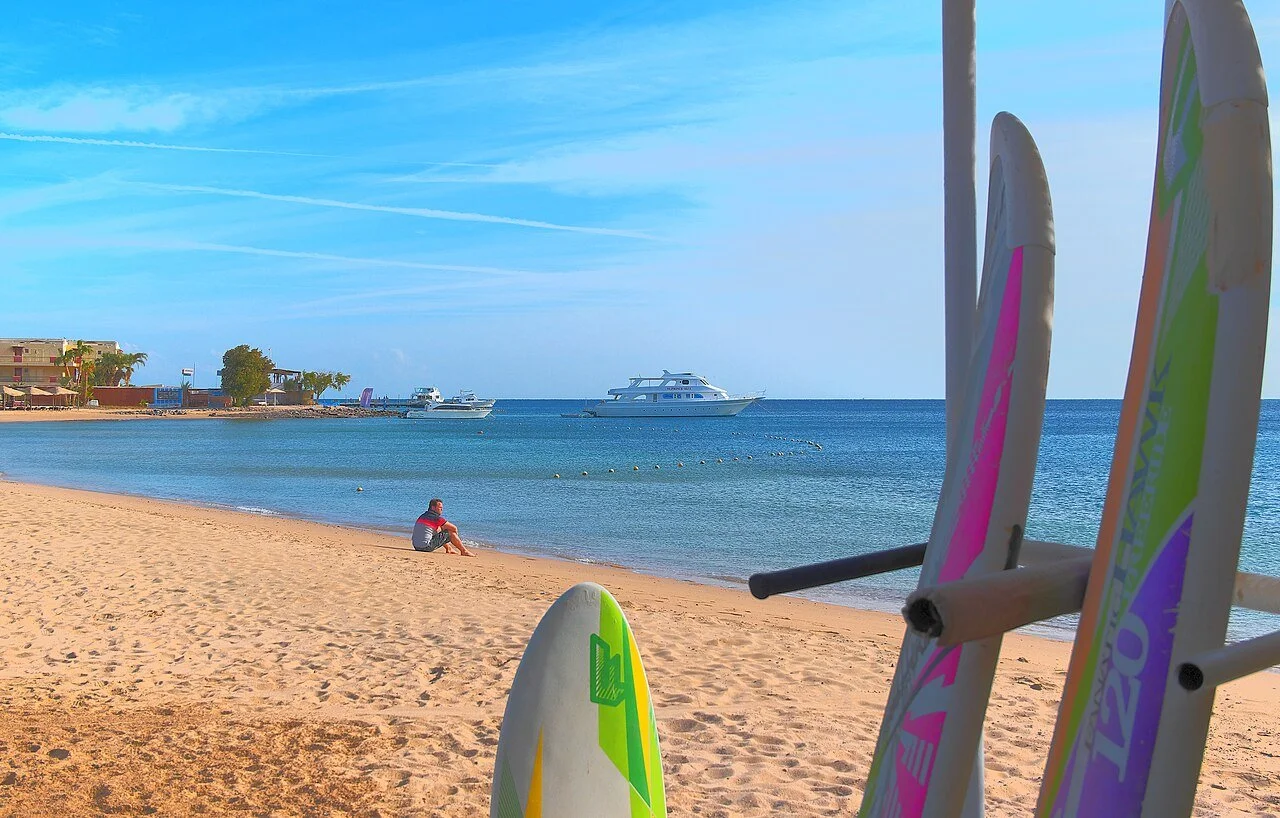
Few people know that Safaga also offers a unique health benefit through its mineral-rich black sand. This sand is used in the treatment of various bone and joint conditions, such as rheumatoid arthritis, by burying patients in it for specific durations under medical guidance. Proven effective by experience, this treatment has made Safaga a sought-after destination not just for leisure tourists, but also for those seeking natural healing.
As someone deeply connected to the world of diving, a diving instructor and proud member of the SDI (Scuba Diving International) family, I feel a strong responsibility to share Safaga’s wonders with the world. Diving in its waters is not merely a recreational activity; it’s a spiritual experience where you come face to face with nature in its purest form. I believe it’s my duty to let more people know about this incredible place.
Although Safaga may not enjoy the same level of media or tourist attention as other Red Sea cities, it remains an unmissable destination for anyone seeking a unique marine adventure. It offers natural beauty, incredible diving, mental peace, and therapeutic tourism all in one place. It is where the magnificence of nature touches your soul and fills you with rare tranquility and clarity.
Safaga is more than just a small city. It’s a complete world of natural wonder and rich experiences waiting to be discovered. It’s an open invitation to dive into the depths of the sea and the self and to discover a side of Egypt that many still do not know exists.
-
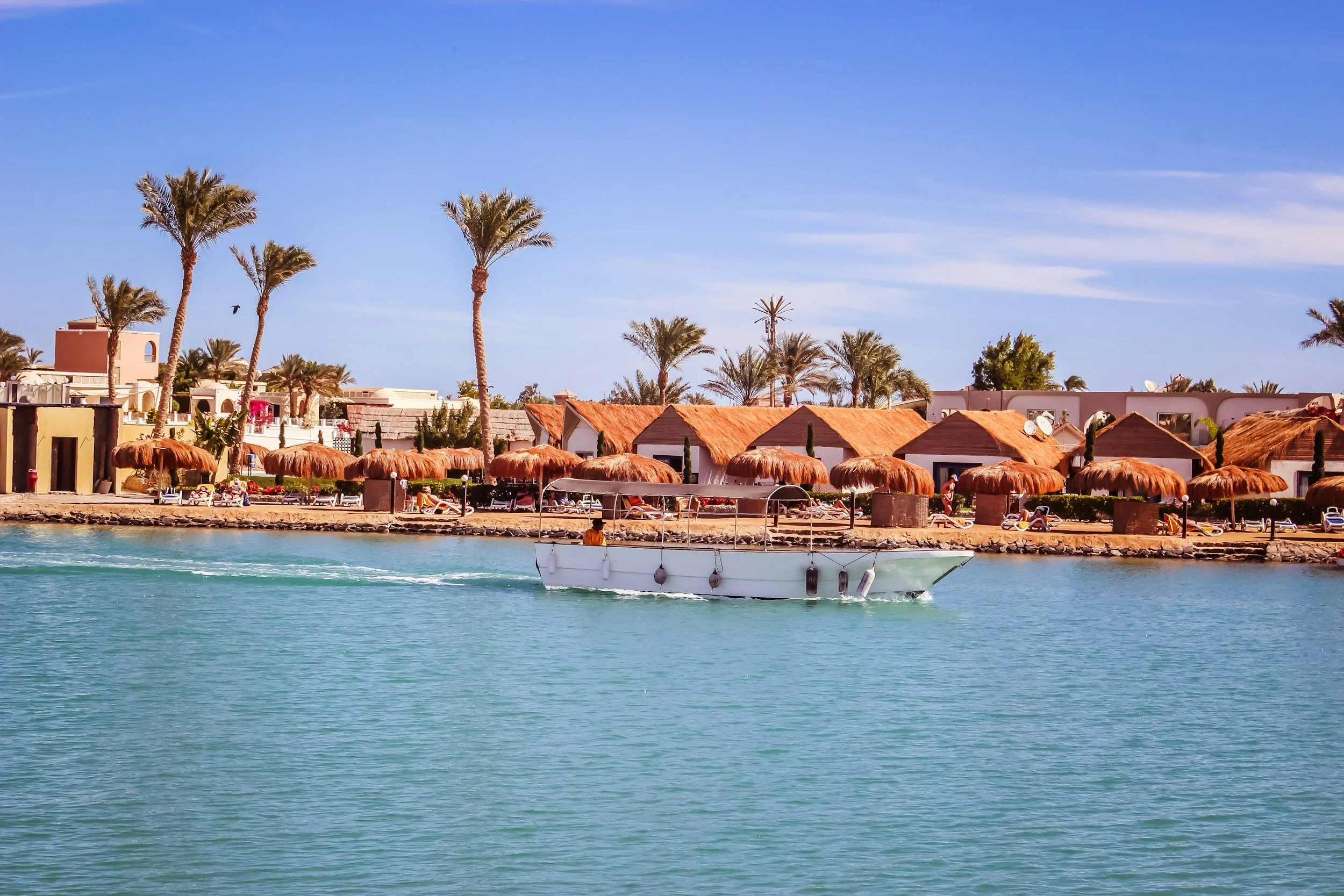
Hurghada found on the western side of Egypt's Red Sea Riviera is a beach town resort stretching some 40km along Egypt’s Red Sea coast. It is the second biggest town on the Red Sea, renowned for scuba diving, thanks to its beautiful coral reefs. This former fishing village is now a lively friendly resort that has managed to retain its natural and historic charm and is perfect for those seeking total relaxation with plenty of sunshine. Hurghada boasts very little rainfall and average temperatures that soar into the upper 30s during the summer months with warm sea temperatures all year round. To the north of Hurghada is the historic old town El Dahar with a warren of narrow streets, a Christian Coptic Church, traditional souks and local nightlife of traditional Egyptian coffee shops. In the middle is Sekalla with its many restaurants, bars and nightclubs, also home to the recently restored Mosque, Old Habour and nearby new Marina, housing an exclusive selection of shops, with excellent restaurants. El Memsha lays in the south of Hurghada the main resort area, with its modern Hotel developments stretching the coastal road.
As a stunning coastal city gracing the picturesque shores of the Red Sea, Hurghada proves to be a vibrant destination with a lot to offer. The beauty of Hurghada lies in its versatility which shows this city is one of the most popular tourist attractions for a reason. Hurghada has a lot to offer to people of all ages regardless of their interests and preferences. Here are some things to do in this beautiful city.
Adventure
If you are an adrenaline junkie, thrilling desert adventures in Hurghada are calling your name. One of the most popular adventure activities is a quad biking tour in the desert where you can experience the beauty of Egypt’s landscape. Just picture yourself on a quad gazing upon the breathtakingly beautiful dunes.
Beach
Hurghada is well-known for its pristine beaches and crystal-clear sea. Treat yourself by spending your days sunbathing on the sandy shores with a good book and a nice drink in your hand. Take a nice stroll along the beach, watch the sea sparkling under the sun, and you’ll fall want to come back to Hurghada again.
Cinema
If you’re looking for a way to relax after participating in various activities, head to the cinema and watch Egyptian or international movies. Movie time is a great way to unwind after a day of adventure.
Museum
The best way to truly get to know Hurghada and Egypt itself is to head to a museum. Hurghada museums are home to many artifacts, ancient Egyptian relics, and other historical items.
Tour
Join a guided tour to explore the beauty of Hurghada, see marvellous historical sites, and learn amazing historical facts from your tour guide. You’ll love every minute of your tour. And enjoy shopping around the old market area and many of the amazing shopping centres in the city.
Water adventure
If you’re a water enthusiast, then you’re in for a treat. Hurghada is the perfect place to take part in water adventures such as scuba diving, taking boat trips, snorkelling, parasailing, and kitesurfing.
-
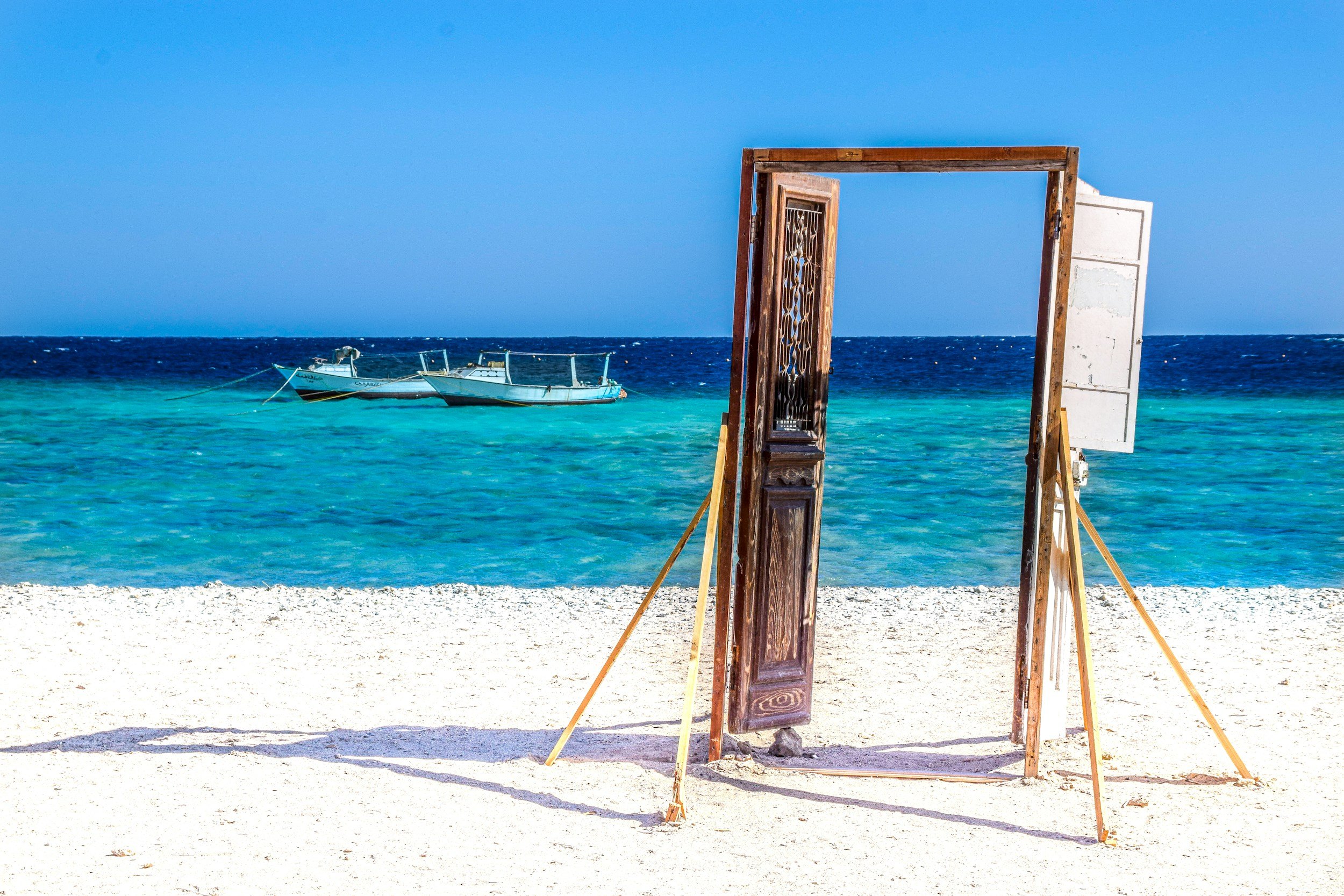
Marsa Alam, an unspoilt natural paradise in Egypt's remote south
Marsa Alam is more than a spot on the Red Sea coast, it’s a gateway to the unknown, where the deep blue ocean meets arid desert lands. This remote corner in Egypt’s deep south, still largely unspoiled and off the radar of mass tourism, offers in insight into both its marine life and a fascinating history. Its shores, which have crystal-clear waters and are dotted with coral reefs, remain true to their Bedouin roots, promising an authentic experience for those seeking to escape conventional tourist paths or explore the natural beauty of Wadi el Gemal National Park. With the recent expansion of its international airport, Marsa Alam is beginning to attract both seasoned divers and curious travellers looking to explore one of Egypt’s best-kept secrets.
History of the area: Marsa Alam, the forgotten port reborn with coral
Marsa Alam was originally a quiet fishing port and an enclave for the Bedouin communities that inhabited the eastern deserts of Egypt for centuries. However, its historical significance extends beyond its coastal location. During the Pharaonic and Roman periods, this area was crucial due to its proximity to the gold and emerald mines near Wadi el Gemal in the eastern desert. Caravans travelled across these arid landscapes, carrying precious stones and valuable metals to the flourishing civilisations along the Nile.
Despite its ancient importance, Marsa Alam fell into obscurity for centuries, and was known only to fishermen and small traders as an important place. It wasn’t until the 20th century, with the rise of tourism spurred by the discovery of its underwater treasures, that Marsa Alam began to reawaken. Today, Marsa Alam is no longer just a small port; it’s an emerging destination for divers from around the world, attracted by its proximity to legendary reefs like Elphinstone and the chance to encounter iconic species such as dugongs and hammerhead sharks. Despite this growth, Marsa Alam still has an authentic, relaxed vibe that sets it apart from more developed Red Sea destinations like Hurghada, making it an ideal retreat for those seeking tranquillity and pure nature.
What to see: a tranquil Egyptian port surrounded by nearly untouched desert land
Marsa Alam offers more than just beaches. The town is surrounded by breathtaking desert landscapes that invite visitors to explore. Highlights include Wadi el-Gemal National Park, located 45 kilometres south of the town. This vast protected area covers approximately 5,000 square kilometres, featuring several islands, a mangrove-lined coastline and a mountainous hinterland surrounding one of Egypt’s largest desert wadis. The park is home to impressive biodiversity, including dromedaries, gazelles, wild donkeys and migratory birds, along with reefs that are home to 450 species of coral and over 1,200 different types of fish. Visitors here can go hiking or explore traces of ancient civilisations that once inhabited the region, including prehistoric rock art and ruins from the Ptolemaic and Roman eras.
The town centre, despite lacking in major tourist attractions, has its own charm with a relaxed atmosphere that contrasts with the bustling energy of larger cities. Local markets offer handicrafts, spices and fresh produce, giving visitors a taste of everyday Egyptian life. Don’t miss the chance to enjoy an authentic Egyptian dinner at one of the local restaurants, where the taste of traditional dishes like koshari or falafel will leave you with unforgettable memories.
Scuba diving in Marsa Alam: dives in one of the world’s best shark reefs
Marsa Alam is an undisputed paradise for diving lovers. Far from the hustle and bustle of other Red Sea destinations, its waters contain underwater treasures seemingly frozen in time. What makes this place truly unique is its sense of exclusivity: here, the sea feels like it’s yours, and every dive is a chance to discover hidden secrets among pristine reefs and underwater walls that descend into unfathomable depths.
One of the main draws of Marsa Alam is the chance to see species rarely encountered elsewhere in the Red Sea. In its underwater meadows, divers have the unique opportunity to swim alongside the elusive dugong, an endangered marine mammal. What’s more, encounters with sea turtles, dolphins and hammerhead sharks are common, making every dive an unforgettable experience.
If there’s one place that puts Marsa Alam on the global diving map, it’s Elphinstone Reef. Known for its dizzying vertical walls that drop to over 100 metres, Elphinstone is a must for advanced divers seeking both adrenaline and encounters with large marine life. The reef is famous for its gatherings of oceanic whitetip sharks and hammerhead sharks that patrol its deep waters, offering close-up encounters that leave divers speechless.
This reef isn’t just spectacular for its marine life. The strong currents support fascinating ecosystems, featuring schools of napoleon wrasse, barracuda and majestic eagle rays. Diving at Elphinstone requires experience and confidence, but the rewards are unparalleled, with opportunities to explore underwater caverns and gorges filled with soft corals that seem to bloom in the ocean’s blue light.
Another of Marsa Alam’s renowned spots is Sha’ab Samadai, also known as the “House of Dolphins”. This crescent-shaped reef is home to a permanent colony of bottlenose dolphins. Dives at Samadai are especially popular for those who dream of swimming alongside these intelligent marine mammals in their natural habitat. Whether you are able to interact with the dolphins will depend on your luck and the conditions, but the chance to watch them gliding through the turquoise waters is sure to leave an everlasting mark on the memory of any diver.
Beaches and natural pools: relaxation and snorkelling in idyllic surroundings
The beaches of Marsa Alam are a paradise for those seeking tranquillity and natural beauty. Abu Dabbab Beach is one of the most popular ones, known for its fine white sand and shallow waters, making it perfect for snorkelling. Here, visitors can enjoy the company of sea turtles as they explore the colourful corals dotted along the seabed.
Another gem is Sharm el Luli Beach, celebrated for its stunning turquoise waters and serene atmosphere. This is a wonderful spot to relax, read a book in the sun or simply enjoy the sound of the waves. The natural pools formed in the reef areas are perfect for peaceful snorkelling, allowing you to observe marine life without needing to take a dive.
Sightseeing nearby: hiking in Wadi el-Gemal National Park and excursions to the temples of Luxor
Marsa Alam is an ideal starting point for exploring the nearby wonders. One of the most fascinating destinations, as mentioned above, is Wadi el-Gemal National Park, which is home to rich biodiversity, ancient archaeological sites and a stunning coastline. Visitors here can hike along well-marked trails, enjoy picnics in the desert and observe local wildlife in its natural habitat.
-
Historic Cairo
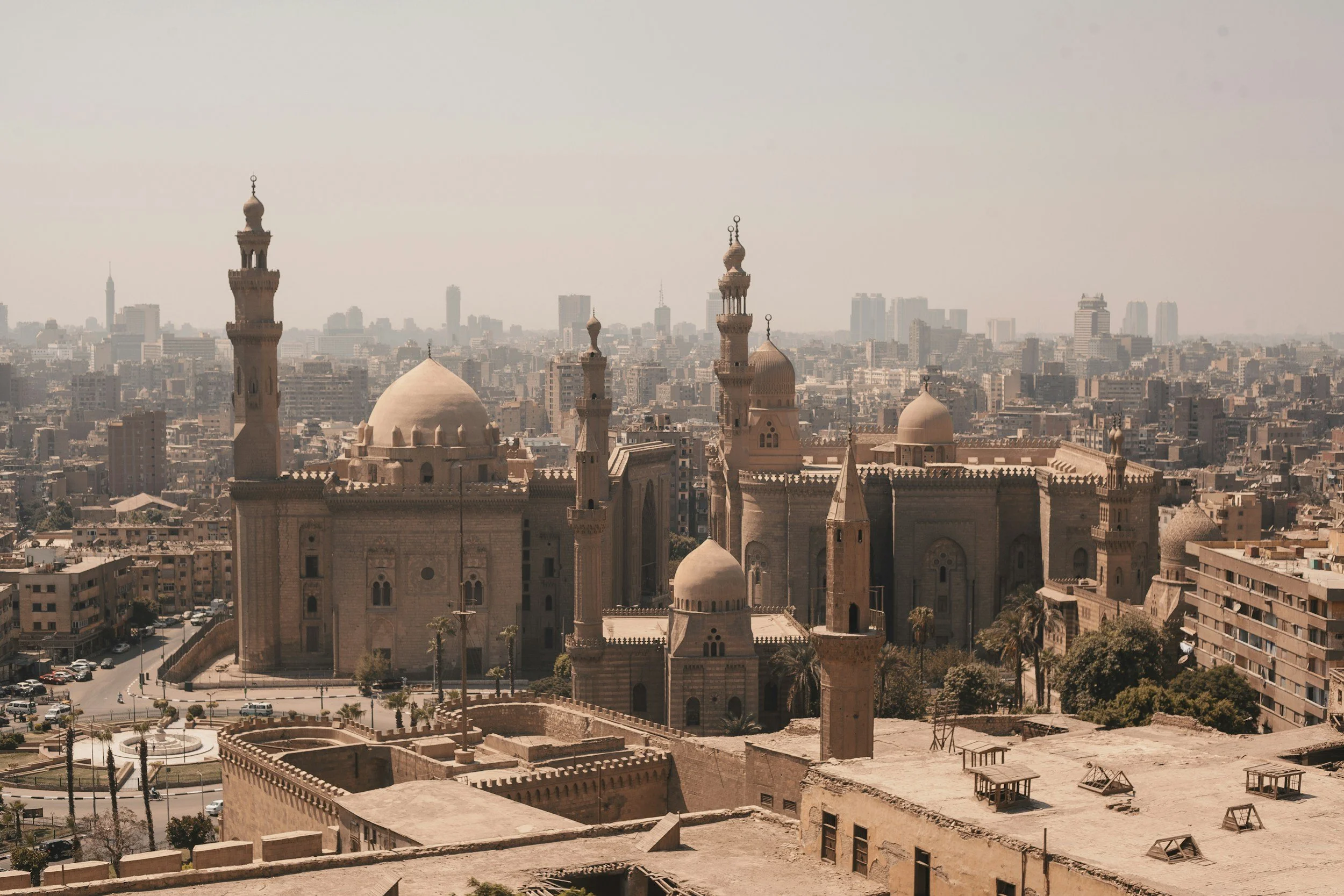
Tucked away amid the modern urban area of Cairo lies one of the world's oldest Islamic cities, with its famous mosques, madrasas, hammams and fountains. Founded in the 10th century, it became the new centre of the Islamic world, reaching its golden age in the 14th century.
Outstanding Universal Value
Brief synthesis
Historic Cairo is one of the exceptional cities in the world, characterized by the extraordinary survival of its architectural, artistic and urban heritage, which fully expresses its long history and the diversity of its values. Its siting at a historic crossroads of international trade routes from Europe, Asia and Africa fostered its prosperity as a political, cultural and economic capital, a destination for scholars and a stop on major pilgrimage routes. The period between the 9th and 15th centuries – also known as the Islamic Renaissance – was a particularly golden age for the city, when pioneering scientists, doctors, astronomers, theologians and writers carried an influence and stature that stretched well beyond the Islamic World.
Historic Cairo still reflects its complex ‘medieval’ urban layout, which was respected and enhanced in later eras, to reflect is role as a political capital and to accommodate population growth. Its cohesive traditional urban scene combines elements of four capitals of Islamic states. Cairo was founded as the headquarter of the Fatimid Caliphate in 969 AD. During the Ayyubid state (1176 AD), the citadel was established as the headquarters of government. The Mamluk state (1250-1517 AD) saw the expansion and extension of Cairo’s cohesive urban fabric outside the walls of the Fatimid necropolis to encompass the earlier cities of Fustat (642 AD), Al-Askar (750 AD) and Al-Qata’i (879 AD) in which the mosque of Ahmed ibn Tulun (876-879 AD) is sited, with its spiral minaret and symmetrical arches opening on to a vast square court. Subsequently Cairo became the most important city of the Ottoman Caliphate (1517-1805 AD).
The 10th century Fatimid planning is the nucleus of the city, located inside the city fortification of Badr al-Gamali, with its remaining gates of Bab Zuwayla to the south, and Bab al-Nasr and Bab al-Futuh to the north. This ‘set the standard for later development’ and allowed future urban growth. Its construction extended in the form of lanes representing residential "Harats" for different sects, races and tribes that came with the Fatimids to Egypt, such as the Al-Barqiah harat near to the eastern wall, Al-Jawwaniyah harat and Harat Al-Atuf. The greatest street (Qasabat Al-Mu’izz) is in the middle of the city and extends from north to south, passing through squares and occasional streets. The distinctive and refined Fatimid architecture includes significant mosques such as Al-Azhar, Al-Hakim, Al-Aqmar and Salih Tala'i, mausoleums, shrines including Al-Juyushi, Sayida Ruqaya, Attka and Gafari, and Yehia Al-Shabih, and private dwellings, all of outstanding importance to the history of significant Islamic art and architecture.
Historic Cairo developed further in the Ayyubid and Mamluk eras when the Fatimid plan was enlarged outside the walls in a cohesive urban fabric and it became the largest, most complex urban Islamic city in medieval times, and the capital of a vast empire. It was also a manifestation of the application of Islamic jurisprudence in its planning and the organization of areas for housing and trade. To reflect their political power, the Mamluk sultans constructed royal buildings in a new architectural style with those of the Bahri and Burgi dynasties displaying colourful architecture with Persian arches, minarets with finely chiselled cantilevers, tall façades with pointed arches, and balconies mounted on stalactites. The complexes of Sultan Qalawun, Sultan Barquq and Sultan Barsbay, Sultan Hassan Madrassa, Sultan Al-Ghori and Sultan Qaitbay still dominate Cairo's skyline. The streets were characterized and known by different types of activities and names according to the handicraft centers and the markets they pass through, such as Al-Nahhasin, Bain Al-Qasrain, Al-Kayamieya, Al-Megharbilin. Regulatory Controls were introduced to sustain the appearance and urban identity of the city.
Subsequently, the Ottomans maintained these religious buildings and the mediaeval urban patterns, but their princes also enriched the Islamic architecture. As limited space was available, they reconstructed ruined places, renovated multiple buildings that preceded them, and added new landmarks built following local traditions such as the Ibrahim Kalashni Tekkiya and Dome Complex in the historic Al-Darb Al-Ahmar district in central Cairo of 1517 AD. The Ottoman style was characterized by the use of decorative ceramic tiles with plant elements inspired by Turkish nature, such as in the Muhammad Ali Pasha Mosque in the Citadel 1815-1865.
The building of a new Cairo in the 19th century allowed Historic Cairo to remain largely intact. Buildings in the Baroque and Rococo European architectural styles of the 19th and early 20th century appear in the neighbourhoods of Sayeda Zainab and Al-Darb Al-Ahmar, as well as in the Sabil-s of Muhammad Ali in Al-Nahhasin, Al-Akkadin and Sabil Suleiman Agha Al-Silhdar in Al-Moez Street, while in the modern era residential buildings of Darb Al-Ahmar area and Al-Ahwash and the burial-tombs of Qaitbay necropolis reflect the revival of the Mamluk style (New mamluk).
Historic Cairo is an extraordinary survival not just in terms of grand buildings but because whole neighbourhoods have survived, each with an exceptional richness of urban fabric and historic monuments spread throughout. These include an unparalleled number of Sabil-s, many still with their underground water tanks, Masjid-s, Madrasas, Kuttab-s, palaces and Bimaristan-s, all of which are still integrated into the urban areas which they served and respect the integrity of the original urban layout of the city: this arrangement is considered to be a ‘unique feature in the Islamic world’. Streets and squares still reflect long-standing and distinct commercial activities, underpinned by craft guilds, with streets and markets were named after crafts, such as Al-Nahhasin, Al-Maghrebel, and Shamaa’in, as well as foreign and local minorities and communities such as Kom Al-Sa`ida, the Moroccans, the Shawam and others. The city has also been the headquarters of the Coptic Orthodox Patriarchate in the Hanging Church of Virgin Mary in Ancient Egypt (1047 -1320 AD), the Church of the Virgin in Harat Zuweila (1320-1660 AD), the Church of the Virgin in Harat Al-Roum (1660-1799 AD), and the Church of Saint Mark in Azbakiya (1799 -1971 AD), as well as the Jewish rabbinic headquarters in the Eliyahu Temple in Fustat, which was then moved to the Jewish Quarter inside the Fatimid city of Cairo.
Cairo’s strategic location at the tip of the Delta, between the River Nile (east) and the Moqattam Hill (west), led to a continuous human interaction with the site that has shaped its settlements and architecture. An aqueduct, Sur Megra El-Ayoun dating back to medieval times, created a link between the city and the Nile that made it possible to accommodate, and accelerate Cairo’s development, and erect an extensive network of canals, cisterns, hammams and sabils. The historic southern port Al-Fustat was also strongly connected to the use of the Nile through the historic development of trade with Europe.
This richness of Historic Cairo’s architecture, culture and society has been documented by travellers and orientalists for centuries. It has been known variously to scholars, historians and residents as “Al Mahrousa”, “City of a Thousand and One Nights” and “City of a Thousand Minarets”. The city preserves half of the surviving monuments from the Middle Ages to date.
Criterion (i): The great monuments of Historic Cairo are a unique ensemble of architectural and artistic masterpieces which stand tall in the sky of Cairo. Each of them expresses rare artistic, aesthetic and architectural value, which might be enough for each to be considered as of outstanding global importance in the history of art and architecture in the world. Together they are an ensemble that reflects the highpoints of Tulunid, Fatamid, and Mamluk architecture.
The mosque of Ahmed ibn Tulun (876-879 AD), with its spiral minaret and symmetrical arches opening on to a vast square court, is an outstanding example of early Islamic architecture from the 9th and 10th centuries. The distinctive Fatimid architecture (969–1171 AD) is reflected in the city fortifications and gates, Al-Azhar, Al-Hakim, Al-Aqmar and Salih Tala'I mosque, and mausoleums and shrines. The extraordinary Bahri Mamluk (1250-1382 AD) and Burgi Mamluk (1382-1517 AD) monuments reign triumphant above the skyline of Cairo, the refinement of their colourful architecture, boldly defined, original and unexpected, is characterised by domes with Persian arches, minarets with finely chiselled cantilevers, tall facades with pointed arches, and balconies mounted on stalactites, like those in the complex of Sultan Qalawun, the monuments of al-Nasir Mohammad, the Madrasa of Sultan Hasan, Bimaristan al-Mu’ayyadiyah and the complex of Sultan Al-Ghori.
Criterion (v): Historic Cairo is an outstanding example of cohesive urban fabric, expressing the long coexistence of different cultures and human interaction with the environment. Its settlement was shaped by Cairo’s strategic location at the tip of the Delta, between the River Nile (east) and the Moqattam Hill (west). The historic southern port of Al-Fustat, strongly connected to the River Nile, fostered the historic development of trade with Europe, while an aqueduct, Sur Megra El-Ayoun, dating back to medieval times, created a link between the city and the river that made possible an extensive network of canals, cisterns, and sabils.
The 10th century Fatimid planning centre inside the fortifications is the nucleus of the city. Its construction extended in the form of lanes representing residential "Harats" for different sects, races and tribes, which allowed for future development. This Fatamid Plan was greatly enlarged in the Mamluk era to become a manifestation of the application of Islamic jurisprudence in planning and spatial organization, while the Ottomans maintained the medieval urban patterns. The building of a new Cairo in the 19th century allowed Historic Cairo to remain largely intact as an outstanding example of medieval town planning.
Since the second half of the 19th century, development has involved the filling up of canals to provide space for new streets and settlements. The historic city has become vulnerable due to these pressures, and from the widespread use of new architectural models and changes in original functions (such as caravanserai, madrasas and sabils).
Criterion (vi): The historic centre of Cairo constitutes an impressive material witness to the international importance of the city’s political, strategic, intellectual and commercial levels during the medieval period. Al-Azhar has been a leading theological and religious academic centre for the entire Islamic world since its foundation in 970 AD and continues to have a strong and continuing impact. Several prominent mausoleums are devoted to Imams or saints renowned by many Muslims such as the shrines of Al-Hussain, Sayyida Nafisa, Sayyida Aisha and Sayyida Ruqayya, while the Amr Ibn Al-Ass Mosque, Nilometer, Ahmed Ibn Tulun Mosque, Azhar Mosque, Qalawun Bimaristan, Sultan Hassan Madrassa, Sultan Barquq Mosque-Madrasa Complex, Mahmoud Al-Kurdi Madrasa, and Mawlawi Tekkiya are all exceptional witnesses to the pioneering ideas in medicine, chemistry, biology, water engineering and jurisprudence which combined to make Historic Cairo a major destination in the Islamic world.
Integrity
The boundaries of the World Heritage property encompass all the main components of the property including the historical street patterns and monuments (fortifications, historical buildings, urban fabric) that embody the city’s many different cultural and architectural layers of history. The overall urban structure of Historic Cairo formed over more than 1300 years, including the diversity of patterns of neighbourhoods, streets, squares, alleys and paths, the diversity of historical and archaeological buildings, local architecture, markets, handicraft activities, customs and traditions maintaining their original locations and has been largely preserved, and its recognizable skyline remains intact.
In the last few decades, as the historic city is part of the capital of the State, and in response to dynamic needs, increased urban growth, increased population density and various social needs of its inhabitants as a huge challenges facing the property, a growing conservation movement has led to a number of restoration and urban rehabilitation projects in and around the property that have led to some transformations of the urban fabric, which, when combined with neglect and lack of intervention in other areas, represent a potential threat, particularly with regard to the impact of the rise of the underground water level, traffic, dilapidated infrastructure, land use and environmental changes.
Authenticity
With its continuous integrated urban planning across different historic eras, its great concentration of rich monuments including surviving domestic dwellings, and the persistence of its historical spatial structure (street patterns, landmarks, anchors and activities), the Outstanding Universal Value of Cairo's rich cultural heritage is easily conveyed. Its historic urban landscapes (skylines and streetscapes) are visible in the city's general morphology, while its various architectural masterpieces retain the originality of most of their building materials, through the application of conservation philosophies and criteria by the Arab Antiquities Conservation Committee and foreign missions.
Within the greater metropolitan city of Cairo, the role and location of the historic city at the centre of cultural, religious and commercial life has been preserved. Cultural, religious and craftsmanship traditions are still meaningful and shape layers of urban reality. Historic Cairo's minor and vernacular architecture has, in some cases, been heavily renovated or replaced with inconsistent buildings. However, the physical heritage overall remains largely intact and authentic, despite these alterations, but is in places highly vulnerable.
Protection and management requirements
The property and its buffer zone are subject to a number of local and national laws and regulations such as the Antiquities Protection Law No 117 of 1983 and its amendments, Law No 144 of 2006, Law No 119 of 2008, and Environmental Law No 4 of 1994 and its amendments. Responsibility of the concerned agencies in the Historic Cairo Administration is defined by the Supreme Committee for management of the International Heritage Sites in Egypt formed under a presidential decree No 550 of 2018, while the Steering Committee of Historic Cairo Projects was formed under the resolution of Prime Minister No 1355 of 2020.
The Supreme Council of Antiquities, in cooperation with Cairo Governorate and National Agency for Urban Coordination, the Ministry of Housing, and the Urban Development Fund pay great significance to implementing the projects of restoration and to preserving the buildings. In addition to restoration of buildings, rehabilitation and renovation of the urban fabric is part of Egypt's vision for sustainable development in 2030.
A Sustainable Development strategy for the project of urban conservation of Historic Cairo depends on the outputs and results of the Urban Regeneration for Historic Cairo Project’s studies, in terms of management, conservation, urban, legal, environmental, economic, cultural, social and demographic aspects. The Conservation Strategy and the Regeneration Project for Historic Cairo were adopted by the Council of Ministers. The envisioning Urban Development Fund as a comprehensive concept to preserve the city’s human fabric, as well as to restore its archaeological and historic buildings, was adopted by the Committee for the Preservation of Arab Antiquities and the foreign missions. It frames Historic Cairo as an open museum to learn about the various philosophies and techniques of restoration and preservation in the 19th and 20th centuries that continue until now, but also to improve the urban and residential environment, infrastructure and public space, traffic movement and means of transport. These themes were translated into the inauguration of the national project to develop Historic Cairo in 2021.
In the light of laying the basic structure for managing the property, The Prime Minister issued Decree No 388 of 2021 forming a Steering Committee for the Historic Cairo property, consisting of relevant governmental stakeholders’ representatives (Cairo Governorate (CG) - Urban Development Fund (UDF), Ministry of Tourism and Antiquities (MoTA), Ministry of Endowments (MoE), Ministry of Environment (MoE) and Ministry of Interior (MoI)). The Committee has put in place urgent legal, procedural and operational measures to preserve and rehabilitate the urban fabric of the property and prevent its deterioration, adopted in September 2022 a temporary administrative structure for the Urban Regeneration Project for Historic Cairo (Historic Cairo Regeneration Unit), including relevant stakeholders, funded and managed by the Urban Development Fund (UDF), to develop the Urban Regeneration and Conservation Strategy of Historic Cairo as a basic nucleus for the integrated management and conservation plan of the property to maintain the cultural heritage of the city in coordination with the Egyptian Sustainable Development Strategy – Egypt Vision 2030.
-
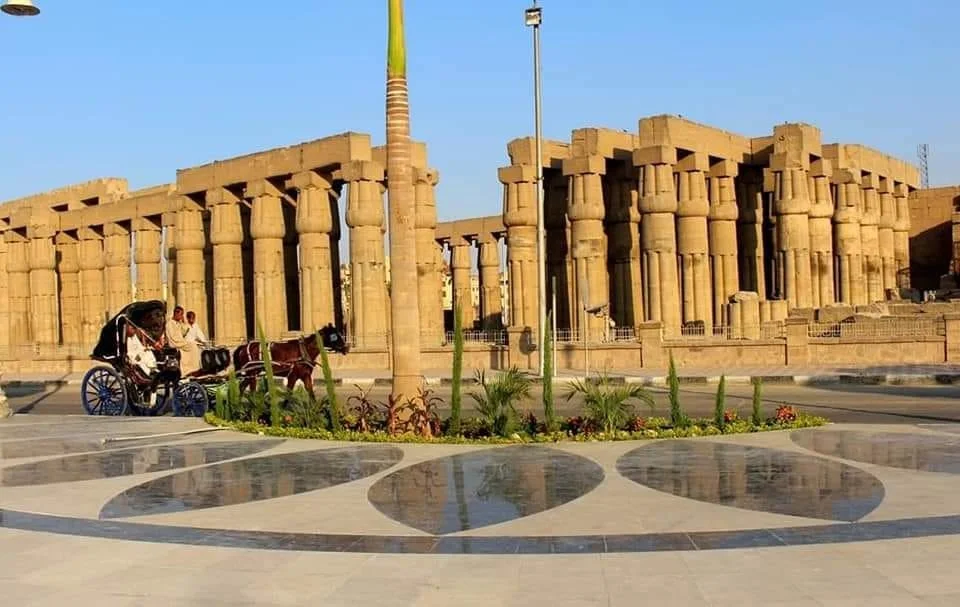
Luxor is a city in Upper Egypt often called "the world's greatest open-air museum" due to its wealth of ancient monuments. Split by the Nile River, the modern city contains the ancient Egyptian capital of Thebes, with remarkable temples, tombs, and other antiquities on both banks.
History
Ancient Thebes: For over 1,500 years, beginning around 3000 BCE, Luxor was the city of Thebes, the political, military, and religious capital of Ancient Egypt, particularly during the New Kingdom period (1550–1070 BCE). It was a vibrant hub dedicated primarily to the god Amun-Ra.
Declining influence: The city's influence waned with the shift of Egypt's capital to Alexandria and the arrival of Greek and Roman rule. While it attracted Christian monks who built monasteries, Thebes' religious significance faded.
Islamic and modern era: Following the Muslim conquest of Egypt, parts of the temples were converted for Islamic worship. Over centuries, rubble built up around the monuments, and the city's modern layout was built on top of the ancient structures.
Archaeological rebirth: Extensive archaeological excavations began in the late 19th century, revealing the massive ancient city beneath. New discoveries continue to be made regularly.
Geography
The Nile divides Luxor into two key areas with historical significance:
East Bank
The modern city of Luxor is here, as are the magnificent temple complexes of Luxor and Karnak, which are linked by the restored Avenue of Sphinxes.
West Bank
Once the necropolis for the ancient city, the West Bank is home to the Valley of the Kings, the Valley of the Queens, the Colossi of Memnon, and the Mortuary Temple of Hatshepsut.
Key landmarks
Karnak Temple Complex
The largest religious building ever constructed, built over 1,500 years and covering more than 247 acres. It features the massive Temple of Amun-Ra and the Great Hypostyle Hall.
Luxor Temple
Located in the heart of the modern city, this temple was connected to the Karnak complex by the Avenue of Sphinxes. Built by Amenhotep III, it has been used as a place of worship for thousands of years.
Valley of the Kings
Hidden in the cliffs of the West Bank, this royal burial ground contains more than 60 elaborately decorated tombs, including that of Tutankhamun.
Valley of the Queens
The final resting place for many queens, princesses, and other royal family members. The best-known tomb belongs to Nefertari.
Mortuary Temple of Hatshepsut
A beautifully preserved and architecturally striking temple built by Egypt's first female pharaoh. It's nestled against a dramatic backdrop of cliffs.
Colossi of Memnon
These two massive stone statues represent Pharaoh Amenhotep III and mark the entrance to what was once his mortuary temple.
Luxor Museum
Opened in 1975, this museum houses an impressive collection of artifacts found in the Theban temples and necropolis.
Avenue of Sphinxes
A 1.7-mile-long processional road lined with ram-headed sphinxes that links the temples of Luxor and Karnak. The restored road was reopened in 2021.
Modern city life
Luxor's economy is heavily dependent on tourism, though agriculture, particularly sugarcane, is also important. For visitors, the city offers a mix of ancient wonders and modern life, with hotels, restaurants, and a bustling souq (market). Visitors can enjoy popular activities like hot air balloon rides over the monuments at sunrise and felucca (traditional sailboat) trips on the Nile
-
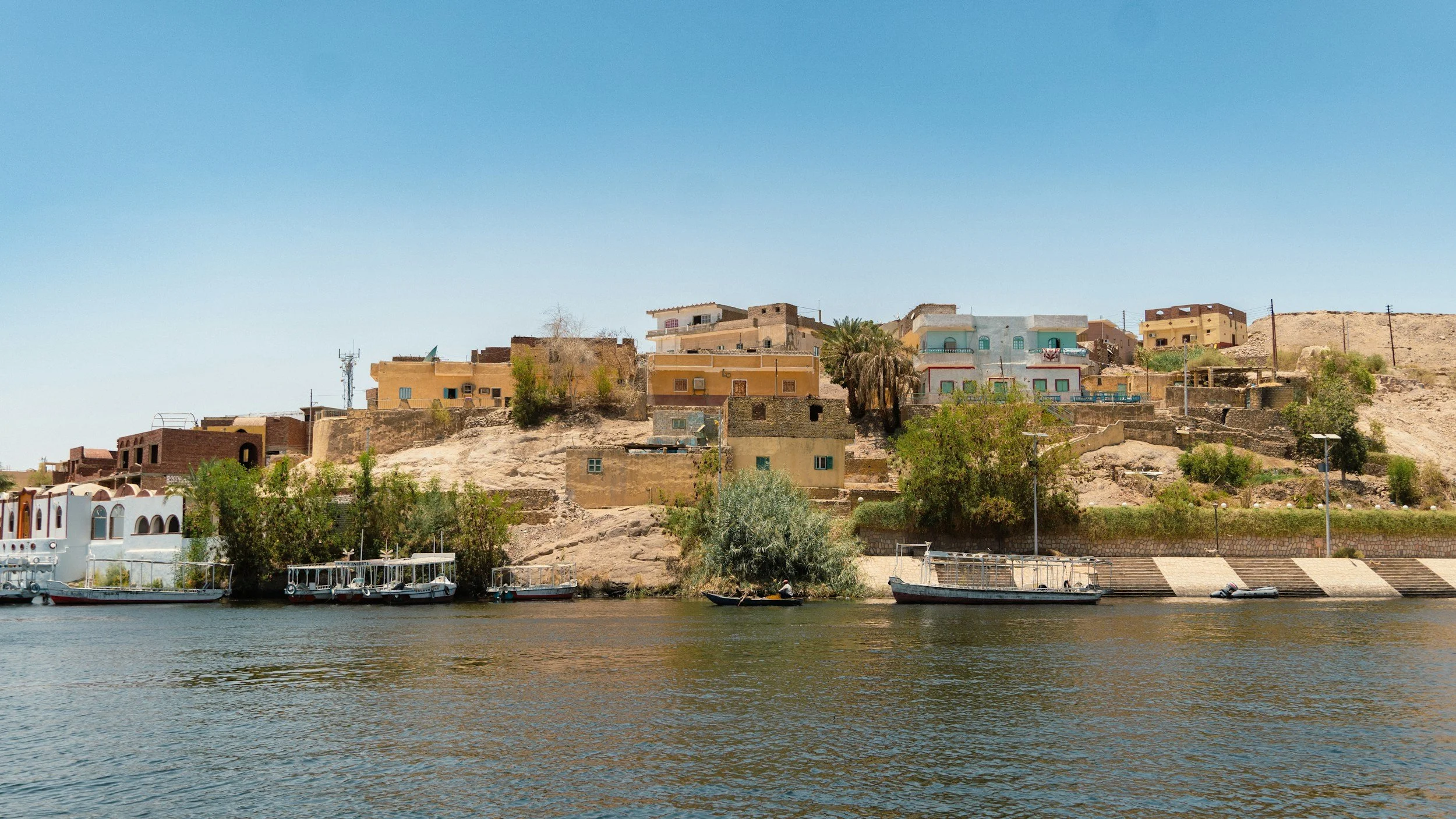
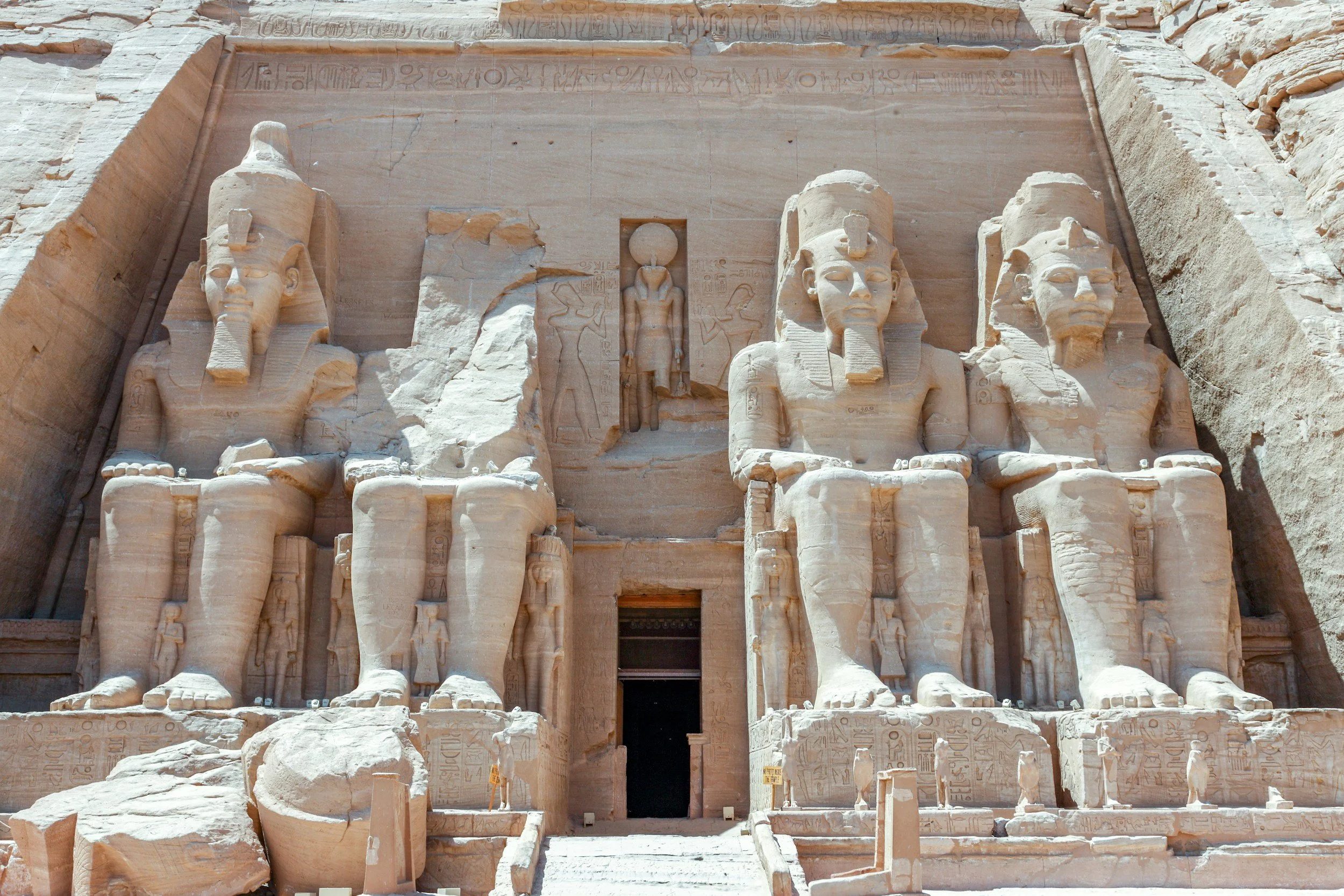
Aswan is famous for its ancient monuments, including the Philae Temple and the Abu Simbel temples, its location on the Nile River which makes it a popular starting point for Nile cruises, and its vibrant Nubian culture and villages. It is also known for modern engineering like the Aswan High Dam and sites like the Unfinished Obelisk.
Ancient monuments
A beautiful temple complex on an island that was moved to a new location to save it from the rising waters of Lake Nasser.
Two massive rock temples that are a UNESCO World Heritage site, famous for their enormous statues and moved to save them from flooding.
An enormous obelisk left half-carved in a granite quarry, offering insight into how ancient Egyptians carved these massive stones.
A unique double temple dedicated to two different gods.
Nile River
Nile Cruises:
Aswan is a key port for Nile cruises, offering scenic river views and a tranquil experience.
Visitors can enjoy relaxing boat trips on traditional sailboats called feluccas to see the city's islands and riverbanks.
Nubian culture and heritage
The city is a gateway to the Nubian region, and visitors can explore villages with colorful houses and learn about the local culture and traditions.
Nubian Museum:
An important museum that showcases the history and culture of the Nubian people.
Modern engineering
A significant modern engineering project that controls the Nile's floods and provides hydroelectric power.
Safaga
Marsa Alam
Hurghada
Cairo
Luxor
Aswan
Some Famous Egyptian Dishes To Try!
If you are a passionate food lover and genuinely enjoy trying and exploring a wide variety of different cuisines, then you have definitely come to the right place. Egypt is famously well known for its massive and impressive variety of food, deeply influenced by its rich and ancient history as well as its diverse and vibrant cultures. From hearty traditional dishes like koshari, ful medames, and molokhia to flavorful and delightful street foods such as falafel and shawarma, the culinary landscape here offers something truly special for every palate. Exploring bustling local markets and dining warmly with locals provides an authentic and immersive taste of Egyptian hospitality and cultural heritage. Whether you prefer savory, spicy, or sweet flavors, Egypt’s diverse and rich gastronomy guarantees a memorable and delicious culinary journey you won’t forget. Here’re some of the most famous Egyptian dishes that you can try during your stay in Egypt.

Food Item – $10
Food Item – $10
Food Item – $10
Food Item – $10
Food Item – $10
Food Item – $10
Food Item – $10
Food Item – $10